
Hidden deep in the abdomen, quietly performing its complex duties every day, the pancreas is one of the most remarkable yet underappreciated organs in the human body. Most people rarely think about it until something goes wrong. Yet, this small organ plays an essential role in keeping you alive and healthy by helping your body digest food and regulate blood sugar levels.
The pancreas serves as a dual-function organ, operating as both a digestive powerhouse and a hormone-producing gland. It ensures that the food you eat is properly broken down into nutrients and that your body’s blood sugar remains balanced throughout the day. Without it, digestion would slow, and the body’s energy system would spiral into imbalance.
Understanding what does the pancreas do can empower you to take better care of your health, prevent diseases, and make smarter dietary choices. This article explores the pancreas from every angle its anatomy, hormones, digestive functions, associated disorders, and how you can keep it healthy for life.
Anatomy of the Pancreas: Structure and Position
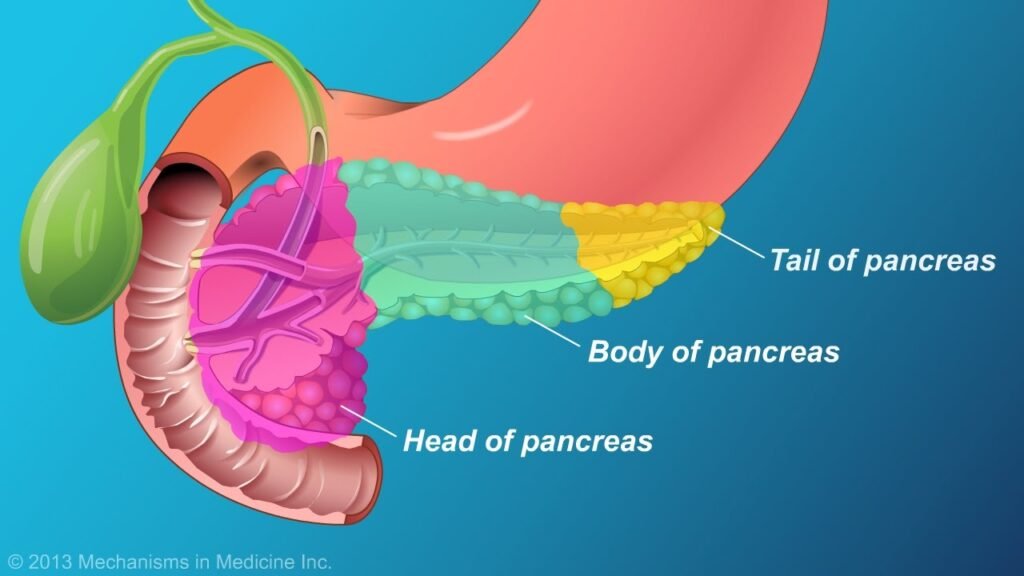
The pancreas is a flat, elongated organ that measures about 15–20 centimetres in length. It lies horizontally behind the stomach, nestled close to the duodenum the first part of the small intestine and extends toward the spleen. Despite its modest size, it performs some of the most complex biochemical tasks in the human body.
Structurally, the pancreas is divided into three main parts:
- The head, which connects to the duodenum.
- The body, which forms the central portion.
- The tail, which tapers toward the spleen.
Running through it is the pancreatic duct, a narrow channel that transports digestive enzymes from the pancreas into the duodenum. These enzymes, combined with bile from the liver, break down the proteins, fats, and carbohydrates you consume.
Because of its deep position in the abdomen, pancreatic problems are not always easy to detect early, making awareness and understanding of its role even more crucial.
The Dual Function of the Pancreas: Endocrine and Exocrine Roles
The pancreas is unique because it performs two entirely different but interconnected functions:
- Endocrine Function — producing hormones that control blood sugar.
- Exocrine Function — producing digestive enzymes that break down food.
These functions are managed by two different sets of cells within the organ. The islets of Langerhans handle hormone production, while the acinar cells secrete digestive enzymes. Together, they ensure that nutrients are absorbed efficiently and that the body maintains steady energy levels.
If either system is disrupted, it can cause significant health issues — such as diabetes (endocrine imbalance) or digestive disorders (exocrine inefficiency).
The Endocrine Function: Hormones Produced by the Pancreas
The pancreas’s endocrine system plays a vital role in maintaining the body’s energy balance by regulating blood sugar. It does so through a collection of hormone-producing cells called the islets of Langerhans, scattered throughout the organ. These cells release hormones directly into the bloodstream, influencing metabolism across the entire body.
1. Insulin – The Blood Sugar Regulator
Insulin, produced by beta cells, is one of the most important hormones in the body. Its main role is to help glucose (sugar) from food enter cells, where it’s converted into energy. After eating, blood sugar levels rise, and the pancreas releases insulin to restore balance. Without insulin, glucose would remain in the bloodstream, leading to elevated blood sugar — the hallmark of diabetes mellitus.
2. Glucagon – The Counterbalance to Insulin
While insulin lowers blood sugar, glucagon, made by alpha cells, does the opposite. When blood sugar drops too low — for instance, between meals — glucagon triggers the liver to release stored glucose into the bloodstream. This ensures your brain and muscles have a steady energy supply even during fasting.
3. Somatostatin – The Balancing Hormone
Somatostatin, secreted by delta cells, acts as a regulatory hormone that maintains balance. It prevents the overproduction of insulin and glucagon, keeping glucose levels steady and the body’s metabolism smooth.
4. Pancreatic Polypeptide – The Metabolic Modulator
Produced by PP cells, pancreatic polypeptide helps regulate appetite, food intake, and digestive activity. It also influences the release of digestive enzymes, supporting the coordination between the pancreas and the digestive system.
Together, these hormones form a finely tuned network that keeps blood sugar levels within a healthy range a process essential for survival and energy management.
The Exocrine Function: Digestive Enzymes and Their Roles
The exocrine pancreas plays an equally important role, acting as the body’s natural chemical laboratory for digestion. The pancreas produces around 1.5 litres of digestive fluid every day, packed with enzymes and bicarbonate to aid food breakdown in the small intestine.
These enzymes are crucial for transforming food into absorbable nutrients:
1. Amylase – The Carbohydrate Breaker
Amylase breaks down complex carbohydrates like starch into simple sugars such as glucose and maltose. Without amylase, your body wouldn’t efficiently extract energy from foods like bread, rice, or fruit.
2. Lipase – The Fat Converter
Lipase is responsible for breaking down fats into fatty acids and glycerol, which the intestines can easily absorb. It works alongside bile from the liver to digest fatty meals efficiently.
3. Protease – The Protein Splitter
Protease enzymes, including trypsin and chymotrypsin, target protein molecules and break them into amino acids. These amino acids are the building blocks your body uses to grow and repair tissue.
4. Bicarbonate Secretion – The Acid Neutraliser
The pancreas also secretes bicarbonate ions that neutralise the stomach acid entering the small intestine. This creates an optimal pH environment for enzymes to function effectively.
In essence, your pancreas ensures that every meal you eat is digested efficiently, so your body can absorb essential nutrients, maintain weight, and stay energised.
How the Pancreas Interacts with Other Organs
The pancreas doesn’t work alone. It interacts closely with several organs to maintain the body’s delicate metabolic balance.
The liver and pancreas collaborate continuously: insulin and glucagon from the pancreas instruct the liver when to store or release glucose. The gallbladder releases bile, which merges with pancreatic enzymes in the small intestine to digest fats. Meanwhile, the intestines absorb the nutrients broken down by these secretions.
Together, these organs create a seamless system digesting, absorbing, and storing energy for later use. The pancreas serves as the control centre of this process, adjusting enzyme and hormone release depending on what and when you eat.
Common Disorders Related to the Pancreas
Because the pancreas performs such vital roles, even small disruptions can have widespread effects. Understanding common pancreatic disorders can help in early detection and prevention.
1. Diabetes Mellitus (Type 1 and Type 2)
Diabetes occurs when the pancreas either stops producing insulin (Type 1) or the body becomes resistant to insulin (Type 2). In both cases, blood sugar rises to harmful levels, potentially damaging organs over time. Managing diet, physical activity, and medication helps maintain balance.
2. Pancreatitis
Pancreatitis is inflammation of the pancreas that can occur suddenly (acute) or over time (chronic). It’s often caused by gallstones, alcohol use, or certain medications. Symptoms include abdominal pain, nausea, and fever. Early medical care and dietary adjustments can help prevent complications.
3. Pancreatic Insufficiency
When the pancreas doesn’t produce enough digestive enzymes, food isn’t properly digested leading to bloating, nutrient deficiencies, and weight loss. Enzyme supplements and dietary support often restore balance.
4. Pancreatic Cancer
Though rare, pancreatic cancer is serious because it’s often detected late. Maintaining a healthy lifestyle and avoiding smoking can significantly reduce risk. Early detection through imaging and genetic screening improves treatment success.
Maintaining a Healthy Pancreas: Diet and Lifestyle Tips
Your pancreas is a small but mighty organ that plays an essential role in digestion and blood sugar regulation. Taking care of it helps your entire metabolic system run smoothly. By eating nutritious foods, staying active, and making healthy lifestyle choices, you can protect your pancreas from long-term stress and disease. Below are practical and effective ways to keep your pancreas functioning at its best.
1. Eat Balanced, Whole-Food Meals
A balanced diet is the foundation of pancreatic health. Focus on whole, nutrient-rich foods such as fruits, vegetables, whole grains, lean proteins, and legumes. These foods provide vitamins, minerals, and antioxidants that protect the pancreas from cellular damage.
Fibre-rich foods like beans, oats, and leafy greens help regulate blood sugar levels and reduce insulin resistance. Antioxidant-rich foods such as berries, spinach, and carrots protect the pancreas from oxidative stress. Try to include a variety of colourful plant-based foods in every meal to ensure your pancreas gets the nutrients it needs for optimal enzyme and hormone production.
2. Choose Healthy Fats Over Processed Ones
The pancreas plays a major role in breaking down fats, so the type of fat you eat matters greatly. Replace unhealthy, processed fats with healthy sources like olive oil, avocados, nuts, seeds, and fatty fish. These contain beneficial omega-3 fatty acids that reduce inflammation and improve insulin sensitivity.
Avoid trans fats, fried snacks, and processed meats, as they can overwork the pancreas and contribute to long-term inflammation. Healthy fats not only protect pancreatic function but also support overall cardiovascular and metabolic health.
3. Stay Hydrated Throughout the Day
Water supports nearly every function of the pancreas, especially enzyme production and nutrient transportation. Proper hydration ensures that digestive enzymes are efficiently delivered to the small intestine, aiding food breakdown.
Aim to drink at least eight glasses of water per day. Choose water or herbal teas like green tea, peppermint, or chamomile instead of sugary beverages. Sugary drinks can increase insulin demand, straining the pancreas. Keeping your body well-hydrated helps detoxify the system and supports the pancreas in maintaining metabolic balance.
4. Limit Alcohol Consumption
Excessive alcohol consumption is a major cause of pancreatitis, a painful inflammation of the pancreas. Chronic drinking can damage pancreatic cells, interfere with enzyme secretion, and raise the risk of long-term pancreatic disease.
If you drink alcohol, do so in moderation ideally, no more than one drink per day for women and two for men. Taking regular alcohol-free days and choosing non-alcoholic alternatives like sparkling water or herbal infusions can significantly reduce pancreatic stress and promote longevity.
5. Avoid Smoking
Smoking has been directly linked to multiple pancreatic disorders, including inflammation and cancer. The harmful chemicals in tobacco increase oxidative stress and damage delicate pancreatic tissue. Quitting smoking or avoiding it entirely is one of the most powerful ways to support pancreatic health.
Even if you’ve smoked for years, quitting today can begin the healing process immediately. Improved circulation and reduced inflammation follow shortly after, allowing the pancreas to function more efficiently.
6. Exercise Regularly
Regular physical activity is a natural way to improve insulin sensitivity and boost metabolism. Exercise helps the pancreas regulate blood sugar effectively, reducing the risk of diabetes and other metabolic conditions.
You don’t need intense workouts to make a difference even 30 minutes of moderate activity like brisk walking, cycling, or yoga can help. Exercise also reduces stress hormones that can interfere with insulin production and digestive balance, making it a key part of any pancreas-friendly lifestyle.
7. Manage Stress Wisely
Chronic stress can disrupt hormonal balance and overwork the pancreas. Elevated stress hormones like cortisol can increase blood sugar levels and interfere with insulin function. Practicing relaxation techniques helps prevent these imbalances.
Try incorporating stress management practices such as deep breathing, mindfulness meditation, yoga, or spending time outdoors. These activities lower stress levels, improve emotional balance, and help the pancreas maintain normal hormone production and digestion.
8. Prioritise Preventive Health
Prevention is always better than cure, especially when it comes to pancreatic health. Regular check-ups can detect issues early, before they develop into chronic conditions. Keep track of your blood sugar levels, cholesterol, and digestive health.
Be attentive to warning signs like persistent abdominal discomfort, unexplained weight loss, or changes in appetite these could signal pancreatic strain. Consulting a healthcare provider for early intervention can make a significant difference.
The Link Between the Pancreas and Metabolism
The pancreas is the body’s central metabolic regulator. Through insulin and glucagon, it determines how your body uses energy. When you eat, the pancreas ensures excess glucose is stored as glycogen in the liver. When you’re fasting, it signals the release of that stored energy back into your bloodstream.
This constant balance allows your body to maintain stable energy levels. However, if this regulation falters as in insulin resistance metabolism slows, weight gain occurs, and fatigue increases. Thus, maintaining pancreatic health is key to sustaining a healthy metabolism and preventing metabolic disorders.
The Pancreas Across the Lifespan
From childhood to old age, the pancreas evolves alongside your body. In childhood, it grows rapidly to meet the energy demands of development. During adulthood, its focus shifts to maintaining stability regulating glucose, digestion, and enzyme secretion.
As people age, pancreatic enzyme production may decline slightly, leading to slower digestion. Meanwhile, insulin sensitivity often decreases, raising the risk of Type 2 diabetes. Eating nutrient-rich foods, staying active, and monitoring blood sugar help keep the pancreas efficient throughout life.
Future Research and Medical Advances
Modern medicine continues to make groundbreaking strides in pancreatic science. Researchers are exploring stem cell therapy to regenerate insulin-producing beta cells, artificial pancreas devices that automatically regulate blood sugar, and new enzyme replacement therapies for digestive insufficiency.
Advances in early detection for pancreatic cancer and autoimmune diabetes are also showing promise. The future of pancreatic medicine looks bright, with innovations aimed at not just treating disorders but restoring full pancreatic function.
Must Read:
Final Words:
The pancreas may not get as much attention as the heart or lungs, but it is every bit as vital. It’s the silent engine behind your energy, digestion, and hormonal balance tirelessly keeping your system running smoothly every single day.
By understanding what the pancreas does, you can make informed choices to protect it: eat well, avoid harmful habits, and get regular health checkups. Small steps can go a long way in maintaining its strength.
Your pancreas is your body’s quiet hero a guardian of metabolism, a master of balance, and a symbol of how interconnected our internal systems truly are. Treat it with care, and it will serve you faithfully for a lifetime.