
They say “abs are made in the kitchen,” and it’s true fitness begins with what you eat. A well-balanced diet doesn’t just shape your body; it powers every movement, every rep, and every step. Whether your goal is building muscle, shedding fat, or simply staying active and healthy, nutrition is the foundation that supports it all.
A healthy diet for fitness isn’t about restriction it’s about fueling your body with the right foods at the right time. When you provide your body with balanced nutrition, you recover faster, perform better, and maintain energy all day long.
In this ultimate guide, you’ll learn how to create a diet that matches your fitness goals. We’ll cover macronutrients, micronutrients, meal planning, hydration, superfoods, and daily habits that empower your body to reach peak performance naturally.
Understanding the Relationship Between Diet and Fitness
Food is not just fuel it’s the building block of your strength, stamina, and endurance. What you eat determines how well your muscles repair, how much energy you have, and how effectively your body adapts to training.
Why Nutrition Matters for Fitness
- Energy Source: Carbohydrates provide glucose for energy during workouts.
- Muscle Growth: Protein repairs microtears in muscles, leading to strength gains.
- Recovery: Nutrients and antioxidants reduce inflammation post-exercise.
- Hydration: Proper fluid balance maintains performance and focus.
A healthy diet for fitness balances these nutrients so your body performs at its best. The goal is not to eat less but to eat smarter — choosing whole, nutrient-dense foods that sustain you through exercise and recovery.
When diet and training align, results accelerate. Your workouts feel easier, energy lasts longer, and your body composition naturally improves.
Core Principles of a Healthy Diet for Fitness
Before diving into calories or macros, it’s essential to understand the principles that make any diet truly effective for fitness success.
1. Focus on Whole, Unprocessed Foods
Whole foods like vegetables, fruits, lean proteins, whole grains, and healthy fats deliver maximum nutrition per calorie. They also stabilise blood sugar and support digestion.
2. Practice Portion Control
Even healthy foods can lead to excess calories if eaten in large quantities. Use your palm or a small plate as a guide: one portion of protein (palm-sized), complex carbs (a fist), and vegetables (two fists).
3. Prioritise Hydration
Dehydration affects muscle performance and focus. Drink water regularly and replenish electrolytes after sweating.
4. Plan Pre- and Post-Workout Meals
Eating before and after workouts ensures you have energy to train and nutrients to recover. We’ll explore this in more detail later.
5. Stay Consistent
Fitness results come from consistency not extremes. A healthy diet for fitness should be realistic, flexible, and sustainable for life.
When you apply these principles, you create a foundation that supports strength, endurance, and long-term wellness.
Macronutrients: Building Blocks of a Fit Body
Your body’s performance depends on three main macronutrients protein, carbohydrates, and fats. Each plays a specific role in helping you look, feel, and perform your best.
Protein: The Muscle Builder
Protein is the foundation of any fitness plan. It repairs and rebuilds muscle fibers after workouts, supports metabolism, and helps you feel full longer.
Top Protein Sources:
- Chicken, turkey, eggs
- Fish (salmon, tuna, cod)
- Greek yogurt and cottage cheese
- Tofu, lentils, beans
- Whey or plant-based protein powder
How Much You Need:
Most active people need 1.2 to 2 grams of protein per kilogram of body weight daily.
Timing Tip:
Eat protein-rich meals every 3–4 hours and especially within an hour after exercise to promote recovery.
Carbohydrates: The Energy Powerhouse
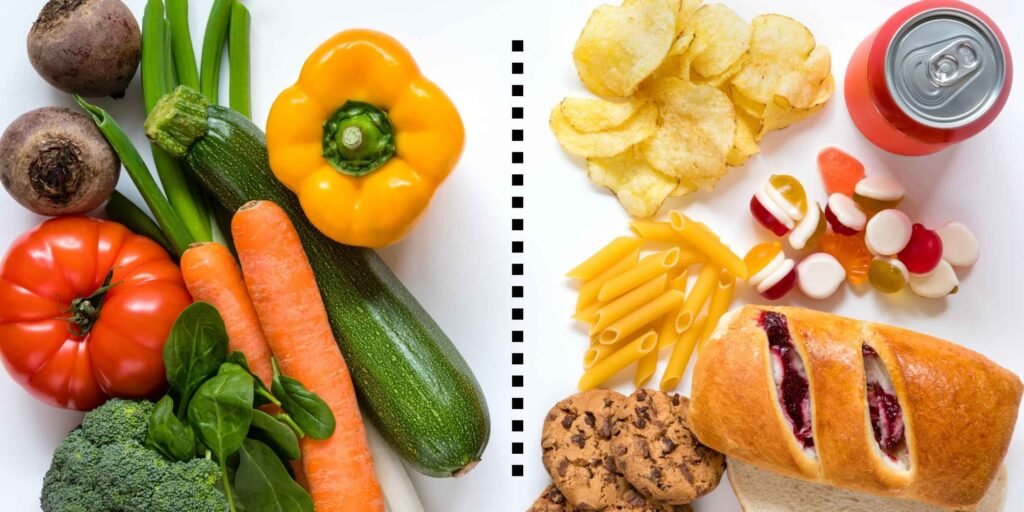
Carbs are your body’s preferred energy source. Without them, workouts feel harder, focus drops, and recovery slows.
Best Carbohydrate Sources:
- Oats, brown rice, quinoa, sweet potatoes
- Fruits like bananas, apples, and berries
- Whole grain bread and pasta
Simple vs. Complex Carbs:
Simple carbs (like fruit) provide quick energy, while complex carbs release energy slowly. Both are important depending on activity level.
Pro Tip:
Fuel up on complex carbs before workouts and consume faster-digesting carbs post-workout to replenish glycogen stores.
Healthy Fats: The Hormone Stabiliser
Fats support joint health, hormone balance, and brain function. They’re essential for long-term energy and absorption of fat-soluble vitamins.
Best Healthy Fats:
- Avocados, olive oil, nuts, chia seeds, flaxseeds
- Fatty fish like salmon and mackerel
Moderation is Key:
Fats are calorie-dense but beneficial. About 20–30% of your daily calories should come from healthy fats.
Balanced macronutrients keep your body in harmony fueling intense workouts while supporting recovery and focus.
Micronutrients: The Unsung Heroes of Performance
Micronutrients vitamins and minerals might not get the spotlight, but they’re the silent drivers behind every workout and recovery process.
Key Micronutrients for Fitness:
- Vitamin D: Supports bone and muscle strength, especially if you train indoors.
- Magnesium: Helps relax muscles and improves sleep quality.
- Iron: Ensures oxygen delivery to muscles during exercise.
- Zinc: Aids muscle repair and immune support.
- Vitamin B Complex: Converts food into energy.
- Potassium and Sodium: Maintain hydration and prevent cramps.
Fruits, vegetables, and whole grains are natural sources of these nutrients. Aim for a colourful plate the more colours, the more nutrients your body gets.
Designing Your Fitness-Focused Meal Plan
Creating a healthy diet for fitness starts with strategic meal planning. Let’s break down what your daily nutrition should look like.
Pre-Workout Nutrition
A good pre-workout meal provides fuel without heaviness.
Best Choices:
- Oatmeal with banana and honey
- Brown rice with grilled chicken
- Greek yogurt with berries
Eat 60–90 minutes before your workout for sustained energy.
Post-Workout Nutrition
After training, your body needs to rebuild muscle and restore glycogen.
Best Choices:
- Protein shake with banana
- Chicken with sweet potato
- Tofu stir-fry with jasmine rice
Combine protein + carbs post-workout for the best recovery.
Sample Daily Fitness Meal Plan
Breakfast: Scrambled eggs, oats, and fruit
Snack: Protein smoothie with almond butter
Lunch: Grilled chicken with quinoa and vegetables
Snack: Greek yogurt with nuts
Dinner: Baked salmon with sweet potato and spinach
This plan balances macros, micronutrients, and hydration for a day full of energy and recovery.
Hydration and Electrolyte Balance

Hydration is the most underrated part of fitness nutrition. Your muscles, brain, and heart all rely on water to function properly.
Why Hydration Matters
Even mild dehydration can reduce strength, concentration, and endurance.
Hydration Tips:
- Drink 8–10 glasses of water daily.
- Add a pinch of salt or electrolyte powder if you sweat heavily.
- Snack on water-rich foods like cucumber, oranges, and watermelon.
Hydration supports nutrient delivery and helps NuNerve-like recovery processes in the body, ensuring your muscles and nerves stay in sync.
Superfoods That Boost Fitness and Recovery
Certain foods go beyond basic nutrition they enhance performance and accelerate recovery.
Top Fitness Superfoods:
- Oats: Provide long-lasting energy and fiber.
- Berries: Rich in antioxidants to reduce muscle soreness.
- Avocados: Loaded with potassium and healthy fats for endurance.
- Salmon: Supplies omega-3s for joint health.
- Spinach and Kale: High in iron for stamina.
- Turmeric: Natural anti-inflammatory spice for recovery.
- Eggs: Perfect protein with essential amino acids.
- Greek Yogurt: A post-workout favourite for gut and muscle health.
Incorporating these superfoods daily supports energy, focus, and longevity in your fitness journey.
Common Diet Mistakes That Slow Fitness Progress
Even the most motivated people can hit plateaus if they unknowingly make small dietary mistakes.
Common Mistakes:
- Skipping Meals: Slows metabolism and leads to overeating later.
- Cutting Carbs Completely: Reduces workout performance and recovery.
- Neglecting Hydration: Dehydrates muscles and reduces energy.
- Relying on Processed “Health” Foods: Hidden sugars and additives limit progress.
- Not Eating Enough Protein: Delays muscle repair and strength gains.
Fix: Follow balance 40% carbs, 30% protein, and 30% healthy fats as a starting point. Consistency and moderation deliver lasting results.
Supplements That Support a Healthy Diet for Fitness
While real food should always be your foundation, supplements can enhance your nutrition — especially for those with demanding fitness routines.
Recommended Supplements:
- Protein Powders (Whey or Plant-Based): For convenient muscle recovery.
- BCAAs: Reduce muscle soreness during training.
- Creatine: Boosts strength and endurance.
- Fish Oil: Reduces inflammation and supports joints.
- Multivitamins: Fill any micronutrient gaps.
- Electrolyte Mixes: Replenish minerals lost through sweat.
Use supplements wisely they’re there to support, not replace, a healthy diet for fitness.
Special Diet Approaches for Fitness Goals
Not every body type or goal is the same. Here are diet styles that align with specific fitness objectives.
High-Protein Diet
Ideal for muscle gain and strength training. It builds lean muscle while reducing fat mass.
Mediterranean Diet
Focuses on olive oil, fish, whole grains, and vegetables — perfect for endurance and heart health.
Plant-Based Diet
Rich in antioxidants, it supports recovery and energy levels naturally.
Low-Glycaemic (Low-GI) Diet
Maintains steady energy by preventing sugar crashes — great for steady workouts.
Balanced Flexible Diet
Allows occasional indulgence while staying nutrient-focused — the most sustainable option for lifestyle fitness.
Each approach works when combined with regular exercise and mindfulness.
Healthy Eating Habits That Build Long-Term Fitness
True fitness success comes from sustainable habits, not short-term diets.
Practical Habits:
- Eat Mindfully: Chew slowly, enjoy flavours, and stop when full.
- Plan Ahead: Meal prepping prevents impulsive choices.
- Read Labels: Look for hidden sugars or excess sodium.
- Avoid Extremes: Balance, not restriction, builds consistency.
- Stay Patient: Results come from steady effort, not drastic changes.
When healthy eating becomes part of your lifestyle, your fitness goals become effortless to maintain.
FAQs:
Q1: What’s the best diet for muscle gain and fat loss?
A balanced diet with high protein, moderate carbs, and healthy fats works best.
Q2: How much protein do I need daily?
Aim for 1.2–2g of protein per kilogram of body weight.
Q3: Should I eat before or after a workout?
Both fuel with carbs and protein before, and recover with protein after.
Q4: Can vegetarians achieve fitness goals?
Absolutely. Combine plant proteins like lentils, tofu, and quinoa.
Q5: Are cheat meals okay?
Yes, in moderation. They help maintain balance and motivation.
Must Read:
Conclusion:
Fitness isn’t just about lifting weights or running miles it’s about what fuels your journey. A healthy diet for fitness provides your body with the energy, nutrients, and balance it needs to perform at its best.
When you nourish your body with whole foods, proper hydration, and mindful eating, you’ll notice improvements in strength, recovery, and mood. Remember: your diet is not a temporary fix it’s a lifelong commitment to vitality.
So start today. Fill your plate with colour, your glass with water, and your life with movement. Eat smart, stay active, and let your fitness goals become your lifestyle.