
The connection between diet and exercise is undeniable. While workouts build strength, endurance, and fitness, the food you eat plays an equally important role in shaping results. For gym-goers, the right nutrition plan fuels energy for training sessions, supports recovery, and maximises long-term progress. Without a healthy diet, even the most dedicated workout routine can fall short of expectations.
The best healthy diet for gym-goers is not about strict restrictions or complicated meal plans. Instead, it is about making smart, consistent choices that balance macronutrients, provide essential micronutrients, and align with individual fitness goals. Whether the aim is building muscle, losing fat, or maintaining overall fitness, diet becomes the foundation upon which results are built.
This comprehensive guide explores the best healthy diet for gym-goers, covering everything from macronutrients and micronutrients to meal timing, hydration, supplements, and sample meal plans. By the end, you’ll have a clear understanding of how to fuel your body to achieve your fitness goals in a sustainable and enjoyable way.
Understanding Nutrition for Gym-Goers
Nutrition is the science of providing the body with what it needs to function effectively. For gym-goers, nutrition takes on an even greater role because physical activity demands more fuel, recovery, and nutrients than a sedentary lifestyle.
A balanced diet supports energy before workouts, repairs muscle tissues after training, and maintains strength and endurance over time. Unlike casual eaters, gym-goers need to pay special attention to both macronutrients (proteins, carbohydrates, fats) and micronutrients (vitamins, minerals, electrolytes).
Without sufficient energy intake, workouts may feel exhausting, and recovery may be slower. Conversely, poor food choices such as processed junk food can reduce energy, increase inflammation, and undermine progress. A healthy diet for gym-goers is therefore about balance, quality, and timing.
Role of Macronutrients in Gym Diets
Macronutrients provide the body’s primary energy and building blocks. Gym-goers must understand how to balance them properly.
1. Proteins
Proteins are essential for repairing and growing muscle tissues. During workouts, muscles experience small tears, and protein helps rebuild them stronger. Foods like chicken, fish, eggs, beans, tofu, and dairy are excellent sources. Most gym-goers benefit from consuming around 1.2–2.0 grams of protein per kilogram of body weight daily.
2. Carbohydrates
Carbs are the body’s main energy source. They fuel workouts and replenish glycogen stores afterward. Whole grains, fruits, vegetables, and legumes provide long-lasting energy. Carbs are especially crucial for high-intensity training, as they keep muscles energised.
3. Fats
Healthy fats are vital for hormone production, joint health, and long-term energy. Avocados, nuts, seeds, olive oil, and fatty fish provide unsaturated fats that support overall wellness. Fats should not be neglected; they ensure sustained energy and aid nutrient absorption.
4. Balancing Macronutrient Ratios
The right balance depends on goals. For muscle gain, higher protein and carb intake may be necessary. For fat loss, slightly reduced carbs and higher protein support lean mass retention. A balanced plate with all three macronutrients is always recommended.
Key Micronutrients for Performance

While proteins, carbohydrates, and fats often take the spotlight in gym nutrition, micronutrients are equally vital for performance and recovery. These vitamins and minerals may be required in smaller amounts, but their impact on energy, strength, endurance, and overall health is significant. Without them, even the most carefully planned macronutrient balance can fall short. For gym-goers, understanding and including the right micronutrients in a daily diet can make all the difference.
1. Iron: Fuel for Endurance
Iron is essential for oxygen transport in the blood. It forms a key component of haemoglobin, which carries oxygen from the lungs to the muscles. Without enough iron, fatigue sets in quickly, making workouts feel more difficult. Athletes and gym-goers with higher endurance demands are especially prone to iron deficiency. Good sources include spinach, lentils, red meat, and fortified cereals. Pairing plant-based iron sources with vitamin C-rich foods like oranges or tomatoes helps improve absorption.
2. Calcium: Strong Bones and Muscle Contraction
Calcium does more than just build strong bones—it also plays a crucial role in muscle contraction. Every time you lift weights or perform resistance training, calcium helps your muscles contract and relax properly. Without enough calcium, bone strength may weaken and recovery can suffer. Dairy products, fortified plant milks, leafy greens, and almonds are excellent ways to ensure adequate intake.
3. Magnesium: Energy and Recovery Support
Magnesium supports more than 300 biochemical reactions in the body, including energy production. For gym-goers, it helps regulate muscle contractions, prevents cramping, and promotes relaxation after workouts. Magnesium-rich foods include nuts, seeds, dark chocolate, and whole grains. Consuming enough magnesium not only boosts gym performance but also enhances sleep quality, which is essential for recovery.
4. Zinc: Muscle Repair and Immunity
Zinc is critical for protein synthesis, making it essential for muscle growth and repair. It also supports immune function, ensuring the body stays healthy during periods of intense training. Zinc can be found in beans, seafood, pumpkin seeds, and whole grains. Since heavy sweating can lead to zinc loss, athletes and gym-goers often need slightly higher amounts.
5. Vitamin D: Strength and Function
Vitamin D works hand in hand with calcium to support bone health and muscle function. It also plays a role in reducing inflammation, which is vital for recovery after intense workouts. While sunlight is the best natural source, Vitamin D can also be obtained from eggs, fatty fish, and fortified foods. In colder climates, supplementation may be necessary.
6. B Vitamins: Energy Metabolism Boosters
The B vitamin family (B1, B2, B3, B6, B12, and folate) plays a central role in converting food into usable energy. They also support red blood cell production, which is crucial for delivering oxygen to working muscles. Whole grains, eggs, legumes, and lean meats provide excellent amounts of B vitamins. Deficiencies can lead to low energy and slower recovery.
7. Electrolytes: Hydration and Muscle Function
Electrolytes such as sodium, potassium, and chloride regulate fluid balance, hydration, and muscle contraction. Intense workouts often cause electrolyte loss through sweat, which can lead to cramps or fatigue. Replenishing electrolytes with bananas, coconut water, leafy greens, or sports drinks helps maintain performance. For long, high-intensity sessions, electrolyte management is as important as calorie intake.cronutrients, performance and recovery can suffer even with the best macronutrient balance.
Pre-Workout Nutrition
Eating before a workout ensures energy and stamina. The goal is to provide easily digestible fuel that supports performance without causing discomfort.
1. Timing
The ideal pre-workout meal is eaten 1–3 hours before exercise. A snack 30–60 minutes prior can also work for quick energy.
2. What to Eat
- Carbohydrates for energy: whole grain bread, oats, or fruit.
- Protein for muscle protection: eggs, yogurt, or protein shakes.
- Healthy fats in moderation: nut butter or avocado.
3. Examples
- Oatmeal with banana and peanut butter.
- Grilled chicken with brown rice and vegetables.
- Greek yogurt with berries and granola.
Balanced pre-workout meals help gym-goers feel energised and focused.
Post-Workout Nutrition
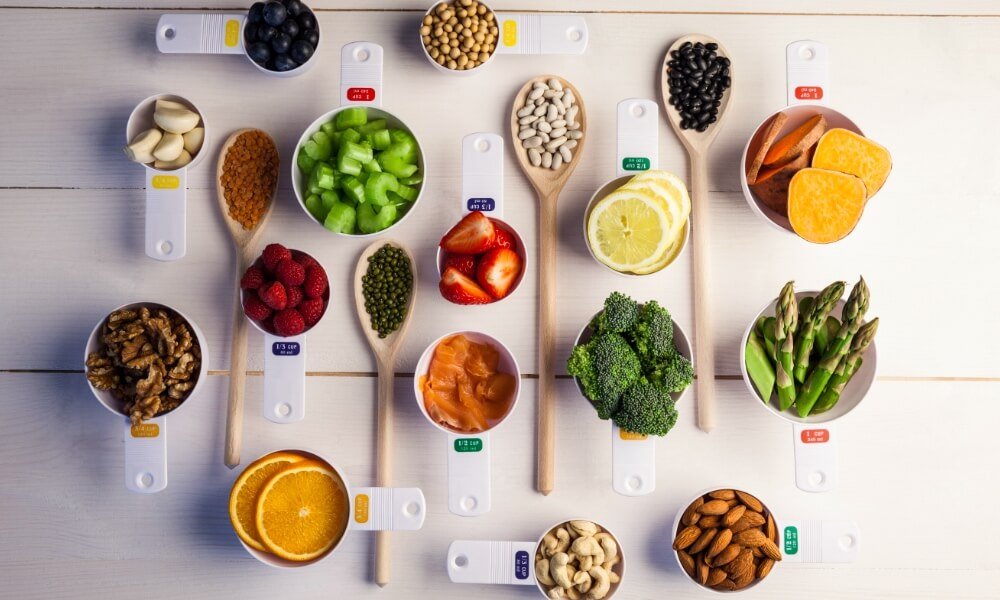
After training, the body needs nutrients to repair and recover.
1. Protein for Muscle Repair
Protein helps rebuild muscle fibres damaged during exercise. Whey protein shakes, chicken, tofu, or eggs are great options.
2. Carbohydrates for Glycogen Replenishment
Carbs restore energy stores used during workouts. Pair carbs with protein for best results.
Examples
- Protein shake with banana.
- Grilled fish with quinoa and vegetables.
- Cottage cheese with fruit.
Eating within 30–90 minutes after exercise maximises recovery and performance for the next session.
Meal Timing and Frequency
When and how often gym-goers eat can influence results.
1. Small Frequent Meals
Eating 4–6 smaller meals spreads nutrients evenly and helps maintain energy.
2. Traditional 3 Meals
Some prefer 3 main meals with balanced portions.
3. Synchronising Meals with Training
Aligning meals around workouts (pre- and post-training) ensures the body gets fuel when it needs it most.
4. Intermittent Fasting
Some gym-goers adopt intermittent fasting. With careful planning, it can work, but timing nutrition around workouts becomes crucial.
Hydration and Performance
Water is often overlooked, but it is critical for gym performance.
- Dehydration reduces energy, increases fatigue, and affects focus.
- Gym-goers should aim for 2–3 litres of water daily, more if sweating heavily.
- Sports drinks may be useful during long, intense workouts to replenish electrolytes.
- Coconut water and herbal teas are natural hydration options.
Staying hydrated ensures optimal performance and recovery.
Sample Meal Plans for Gym-Goers
Every gym-goer has unique goals, whether it’s building muscle, losing fat, or maintaining general fitness. The best healthy diet for gym-goers should reflect these objectives while providing balanced nutrition, steady energy, and support for recovery. Below are three sample meal plans tailored to different fitness goals. These examples can be adjusted to personal preferences, dietary needs, and cultural food choices.
1. Meal Plan for Muscle Building
Muscle growth requires a calorie surplus along with sufficient protein, carbs, and healthy fats. The aim is to fuel intense workouts and supply the body with the nutrients it needs for repair and growth.
- Breakfast: Oatmeal topped with a scoop of protein powder, fresh berries, and a drizzle of almond butter for sustained energy.
- Snack: Greek yogurt with a handful of nuts and seeds to provide protein and healthy fats.
- Lunch: Grilled chicken breast served with quinoa and steamed vegetables for a balanced mix of protein, carbs, and fibre.
- Snack: A protein shake blended with banana for quick replenishment before or after training.
- Dinner: Baked salmon with sweet potato and spinach, offering omega-3 fats for recovery and vitamins for overall health.
This plan provides steady energy throughout the day while ensuring muscles receive the nutrients they need to grow.
2. Meal Plan for Fat Loss
The goal of a fat-loss diet is to create a calorie deficit while maintaining muscle mass. This requires lean proteins, high-fibre vegetables, and moderate healthy fats.
- Breakfast: Egg white omelette with spinach, mushrooms, and bell peppers for a low-calorie, protein-rich start.
- Snack: A crisp apple paired with almond butter for a mix of fibre and healthy fats.
- Lunch: Grilled turkey breast salad topped with olive oil and lemon dressing to keep it light yet filling.
- Snack: Cottage cheese with cucumber slices for a refreshing, high-protein option.
- Dinner: Grilled chicken breast served with steamed broccoli and a small portion of quinoa to support recovery.
This plan focuses on nutrient-dense foods that satisfy hunger while helping reduce overall calorie intake.
3. Meal Plan for General Fitness
For gym-goers aiming to maintain fitness and energy without extreme goals, a balanced plan works best. This involves moderate portions of all macronutrients with a focus on variety.
- Breakfast: Whole grain toast with scrambled eggs and avocado slices for a balanced start.
- Snack: A handful of mixed fruits with a small portion of low-fat yogurt.
- Lunch: Grilled fish with brown rice and a side of mixed vegetables.
- Snack: A few nuts and a boiled egg for protein and healthy fats.
- Dinner: Lean beef stir-fry with whole grain noodles and colourful vegetables.
Snacks can include light dairy, fruits, or nuts to maintain energy throughout the day.
4. Customising Meal Plans
These examples serve as guides, but they can be customised according to cultural preferences, dietary restrictions, or training intensity. Gym-goers following vegetarian, vegan, or keto diets can substitute plant-based proteins, dairy alternatives, or low-carb ingredients. The key is maintaining balance while aligning meals with specific fitness goals.
Supplements for Gym-Goers

Supplements can support nutrition but should not replace whole foods.
- Whey Protein: Convenient for meeting protein needs.
- BCAAs: May reduce muscle soreness and support recovery.
- Creatine: Enhances strength and performance.
- Omega-3s: Support heart and joint health.
- Multivitamins: Help cover nutrient gaps.
Supplements are effective when used responsibly as part of a balanced plan.
Common Diet Mistakes to Avoid
Even with the best intentions, many gym-goers make mistakes:
- Skipping meals or eating too little.
- Overloading on protein while neglecting carbs.
- Ignoring hydration.
- Relying too much on supplements.
- Crash dieting, which slows metabolism.
Avoiding these mistakes ensures steady progress and long-term success.
Special Diets for Gym-Goers
Not all diets are one-size-fits-all. Some gym-goers follow specialised diets:
- Vegetarian/Vegan: Plant proteins like beans, lentils, tofu, and seitan support muscle building.
- Keto Diet: Low-carb, high-fat diets can help with fat loss but require careful nutrient balance.
- Mediterranean Diet: Rich in whole foods, healthy fats, and lean proteins, supporting both health and performance.
The best diet is one that aligns with fitness goals and is sustainable over time.
Must Read:
Final Thoughts:
The best healthy diet for gym-goers is not about strict restrictions or trendy rules. Instead, it’s about understanding your body’s needs and fuelling it with the right balance of proteins, carbs, fats, vitamins, and minerals.
By focusing on pre- and post-workout nutrition, hydration, supplements, and consistent healthy eating habits, gym-goers can achieve their goals more efficiently.
Fitness is a journey that combines training and diet. With the right nutrition, every workout becomes more effective, recovery improves, and long-term results become sustainable.